

Exercise Bike Workout
Add a review FollowOverview
-
Founded Date July 14, 1977
-
Posted Jobs 0
-
Viewed 241
Company Description
You’ve Forgotten Stationary Bicycle: 10 Reasons Why You Don’t Need It
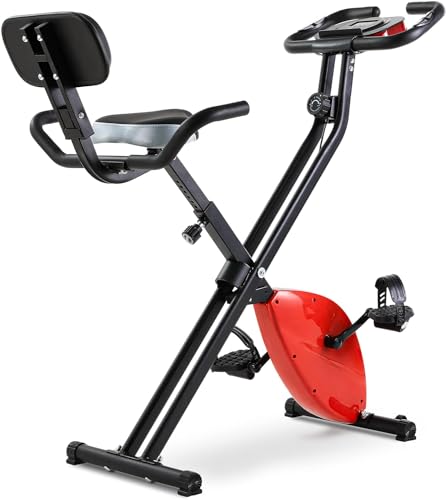
The Benefits and Features of Stationary Bicycles
Stationary bicycles, typically understood as stationary bicycle or spinning bikes, have gotten considerable popularity as a preferred equipment for indoor biking exercises. With the growing focus on fitness and healthy living, the stationary bicycle is a flexible and efficient option that accommodates various audiences– consisting of fitness enthusiasts, newbies, and rehabilitation patients. This post explores the myriad benefits of stationary bicycles, essential functions to think about when buying one, and some typical questions about their use.
Advantages of Stationary Bicycles
Utilizing a stationary bicycle includes many health and wellness benefits, consisting of:
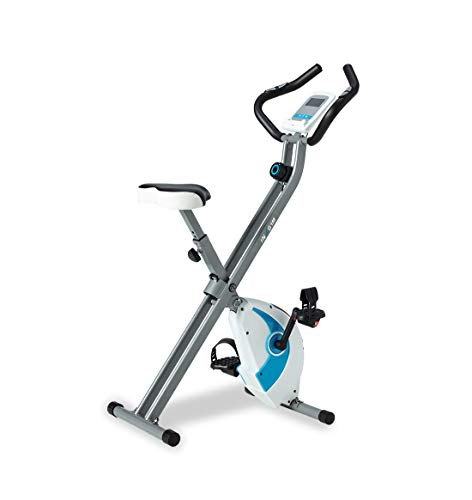
- Convenient Workouts: Stationary bicycles allow people to exercise from the convenience of their homes, getting rid of the need for a gym membership or lengthy travel.
- Cardiovascular Health: Regular biking is an outstanding method to enhance cardiovascular fitness, adding to a much healthier heart and lungs.
- Low Impact Exercise: Unlike running or running, biking is a low-impact exercise, making it ideal for individuals of all ages and fitness levels, consisting of those with joint concerns or injuries.
- Weight Management: Regular exercises can assist in burning calories, making it simpler to handle weight and enhance body structure.
- Muscle Strengthening: Stationary bicycles mainly work the muscles in the legs, consisting of quadriceps, hamstrings, and calves. They can also engage the core muscles to a certain extent.
- Versatility of Workouts: Users can adjust the strength of their workouts by changing resistance levels, making it simple to cater workouts to individual fitness objectives.
Key Features to Consider When Purchasing a Stationary Bicycle
When shopping for a stationary bicycle, several functions must be taken into consideration to guarantee it matches your requirements and preferences:
| Feature | Description |
|---|---|
| Type of Bike | Pick between upright bicycles, recumbent bicycles, or spin bikes based on comfort and usage. |
| Adjustability | Search for adjustable seats and handlebars that fit your body size for optimum comfort. |
| Resistance Levels | Different bikes provide various resistance options; ensure yours can accommodate your fitness level as you advance. |
| Show Monitor | A bike with a clear screen can track your time, speed, distance, and calories burned, improving your Mini exercise bike. |
| Connectivity | Some modern stationary bikes included Bluetooth connectivity and integration with fitness apps, making tracking your progress much easier. |
| Stability and Build Quality | Make sure the bike has a durable frame and non-slip pedals for safe exercises, even during high-intensity sessions. |
| Sound Levels | Noise can be a concern. Try to find bikes that operate quietly, especially if used in shared living spaces. |
The Popularity of Stationary Bicycles
The COVID-19 pandemic has significantly accelerated the pattern of home fitness, resulting in a rise in the purchase of stationary bicycles. With many health clubs closed or restricted in capability, more individuals turned to home exercises, and stationary bicycles emerged as an accessible option. Moreover, the rise of virtual spin classes and fitness apps has changed indoor cycling into an engaging and inspiring experience.
Kinds Of Stationary Bicycles
There are primarily three types of stationary bicycles to consider:
Upright Bicycles: These resemble standard bicycles and engage core muscles. They appropriate for a variety of exercises, consisting of business indoor riding classes.
Recumbent Bicycles: Featuring a reclined seating position, these bikes provide back support and decrease pressure on joints. They are an excellent choice for older grownups or those with neck and back pain.
Spin Bikes: Designed for high-intensity workouts and imitating road biking, these bikes typically have a much heavier flywheel, enabling for increased resistance and a more smooth cycling experience.
FAQs about Stationary Bicycles
Q1: How often should I use a stationary bicycle for effective exercises?A1: Generally, it’s suggested to engage in cardiovascular exercise, consisting of cycling, at least 150 minutes a week. This can be broken down into sessions of about thirty minutes, 5 times a week.
Q2: Can stationary bicycles aid with weight reduction?A2: Yes, stationary bicycles can help with weight-loss when integrated with a balanced diet plan. An efficient cycling session can burn a substantial variety of calories, aiding in developing a calorie deficit.
Q3: What resistance setting should I use when biking?A3: It depends upon your fitness level and goals. Beginners ought to start with low resistance to develop endurance, while sophisticated users can increase resistance for a more difficult workout.
Q4: Do I need a special bike for spin classes?A4: While some stationary bikes are specifically developed for spin classes, you can use other types as long as they come with a great training program and a comfortable ride.
Q5: How can I make sure proper posture while riding?A5: Adjust your seat height so that your knees are slightly bent at the bottom of the pedal stroke. Keep your back straight and relaxed while preventing excessive leaning.
The stationary bicycle is a powerful fitness tool that supplies a range of advantages– from cardiovascular improvement to muscle strengthening– all within the comfort of one’s home. With different types of bikes available and includes to enhance the user experience, individuals can easily discover a model that fits their particular requirements. As fitness continues to trend upwards in importance, the stationary bicycle remains a timeless option for all fitness levels.
By understanding the advantages, functions, and functional aspects of stationary bicycles, consumers can make informed decisions that will cause healthier way of lives. Incorporating cycling into a routine fitness regimen could be the stepping stone numerous require to achieve their health and health goals.