

Double Glazing Repairs
Add a review FollowOverview
-
Founded Date August 27, 1920
-
Posted Jobs 0
-
Viewed 18
Company Description
What’s The Current Job Market For Window Condensation Professionals Like?
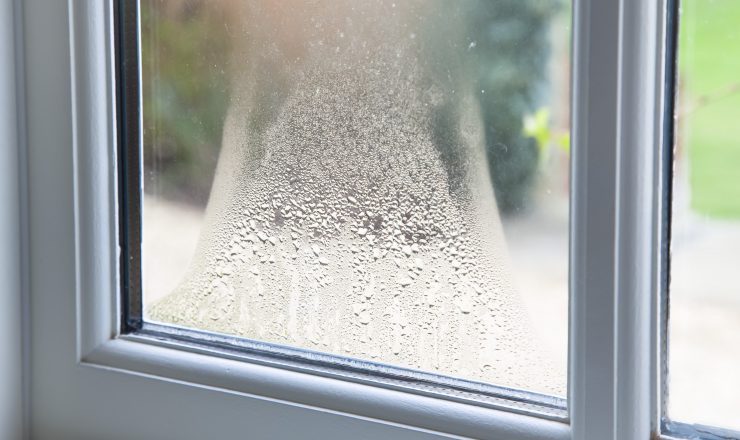
Understanding Window Condensation: Causes, Effects, and Solutions
Window condensation is a typical phenomenon come across in both property and business settings. The presence of moisture on window surface areas can result in numerous issues, not only affecting aesthetic appeals but likewise impacting the total health of a building and its occupants. This blog post dives into the domino effects of window condensation, provides valuable solutions, and addresses regularly asked concerns.

What is Window Condensation?
Foggy Window Fix condensation occurs when warm, moist air enters into contact with a cooler surface, triggering the moisture in the air to condense into liquid water. This procedure frequently occurs on the interior side of windows in cooler months or when humidity levels are high.
Causes of Window Condensation
The main culprit behind window Condensation In Windows is the existence of warm, humid air juxtaposed against cooler window surfaces. Here are key aspects contributing to the event of Window Condensation – pad.stuve.de -:
Table 1: Factors Contributing to Window Condensation
| Factor | Description |
|---|---|
| Indoor Humidity Levels | High humidity from daily activities (cooking, bathing, etc) increases moisture in the air. |
| Temperature Differences | A considerable temperature level difference in between indoor air and Double Glazed Window Repairs surface areas promotes condensation. |
| Poor Ventilation | Insufficient air flow can prevent wet air from dissipating, resulting in increased humidity inside. |
| Insufficient Insulation | Improperly insulated windows can become cooler than surrounding air, leading to condensation. |
| Weather | Cold weather and excessive humidity can intensify condensation problems. |
Effects of Window Condensation
While window condensation might appear benign, it can lead to a series of issues that jeopardize comfort and safety in a building.
Table 2: Effects of Window Condensation
| Impact | Description |
|---|---|
| Mold Growth | Extended moisture on window surface areas can result in mold and mildew development, which present health threats. |
| Damage to Window Frames | Extreme moisture can warp, rot, or damage window frames and sills. |
| Decreased Energy Efficiency | Condensation can indicate inadequate insulation, resulting in greater energy expenses. |
| Visual Appeals | Water spots, mold, and cloudy windows diminish the overall appearance of a home or workplace. |
| Decreased Indoor Air Quality | Mold spores can flow in the air, contributing to respiratory problems and allergies. |
Solutions to Mitigate Window Condensation
Preventing window condensation includes a multi-faceted approach that targets humidity levels, temperature level, and ventilation. Here work methods to mitigate this concern:
List of Solutions
Boost Air Circulation
- Guarantee proper ventilation throughout the building by utilizing exhaust fans in bathroom and kitchens.
- Open windows when possible to enable fresh air to distribute.
Usage Dehumidifiers
- Invest in a dehumidifier to control indoor humidity levels, specifically in basements or restrooms where moisture tends to collect.
Enhance Insulation
- Upgrade to energy-efficient Misted Windows or include storm windows to maintain temperature and decrease condensation.
- Ensure that existing windows are appropriately insulated.
Display Indoor Humidity
- Utilize hygrometers to monitor indoor humidity levels, going for a variety of 30-50%.
Apply Window Treatments
- Think about using insulated blinds or curtains that can help preserve temperature on the window surface area.
Seal Leaks
- Inspect windows for leakages and use caulk or weather removing to seal openings that might allow cold air in.
Keep Consistent Indoor Temperatures
- Attempt to keep household temperature levels consistent to avoid drastic differences that might provoke condensation.
Regularly Asked Questions (FAQ)
Q1: Why does window condensation take place more in winter?
A1: In winter season, the inside air is normally warmer and holds more moisture than the cold window surface area. This temperature difference increases the possibility of condensation forming.
Q2: Is window condensation an indication of a larger issue?
A2: While condensation itself is a normal event, consistent condensation may suggest issues such as bad insulation, ventilation problems, or high humidity levels that need dealing with.
Q3: How can I inform if my windows are properly sealed?
A3: Inspect for drafts, water marks, or misty areas around frames. Think about using thermal imaging to identify cold spots that suggest air leaks.
Q4: Can window condensation damage my furniture?
A4: Yes, prolonged exposure to moisture can damage nearby home furnishings, causing warping, discoloration, and mold development.
Q5: What indoor humidity level is perfect?
A5: A humidity level in between 30% and 50% is generally suggested to lessen the threat of condensation while keeping comfort.
Window condensation is not simply a minor inconvenience; it presents potential dangers to health and property if left unaddressed. Understanding the mechanisms behind condensation and executing efficient solutions can significantly enhance indoor air quality and prolong the life of windows and their frames. By taking proactive measures, homeowners and building managers can produce a more comfy living environment while safeguarding their financial investments.