

Island Extractor Fan
Add a review FollowOverview
-
Founded Date October 15, 1916
-
Posted Jobs 0
-
Viewed 12
Company Description
See What Hood Cooker Tricks The Celebs Are Using
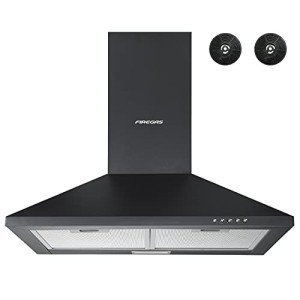
Everything You Need to Know About Hood Cookers: The Ultimate Kitchen Companion
Hood cookers, typically referred to as range hoods, are necessary home appliances in contemporary kitchens. They are designed to ventilate the area by capturing heat, smoke, steam, and odors produced throughout cooking. With the varied alternatives readily available, consisting of various styles, mounting types, and features, picking the ideal hood cooker can be a daunting job for numerous property owners. In this article, we will explore the world of hood cookers, exploring their types, functions, advantages, and crucial considerations for selecting the perfect range hood for your home.
Tabulation
- Understanding Hood Cookers
- 1.1 What is a Hood Cooker?
- 1.2 Why Install a Hood Cooker?
- Types of Hood Cookers
- 2.1 Wall-Mounted Range Hoods
- 2.2 Under-Cabinet Range Hoods
- 2.3 Island Extractor Fan Range Hoods
- 2.4 Downdraft Ventilation
- Secret Features to Consider
- 3.1 Size and Height
- 3.2 Airflow Efficiency
- 3.3 Noise Levels
- 3.4 Lighting Options
- 3.5 Filtration Systems
- Benefits of Having a Hood Cooker
- Tips for Choosing the Right Hood Cooker
- Regularly Asked Questions (FAQs)
1. Understanding Hood Cookers
1.1 What is a Hood Cooker?
A hood cooker is a kitchen home appliance developed to get rid of airborne grease, smoke, and smells produced while cooking. By successfully circulating air, hood cookers assist maintain a fresh and pleasant environment in the kitchen.
1.2 Why Install a Hood Cooker?
Installing a hood cooker has a number of advantages:
- Improved Air Quality: It helps in eliminating humidity and contaminants from the air.
- Boosted Cooking Experience: A clean air environment makes cooking more satisfying.
- Safety: Reducing airborne grease lessens the danger of kitchen fires.
- Aesthetic Appeal: A stylish hood cooker can improve the total design of a kitchen.
2. Kinds Of Hood Cookers
Numerous types of hood cookers are offered, each created to fit various kitchen designs and setups.
2.1 Wall-Mounted Range Hoods
Normally installed above the cooking range on a wall, these hoods can be discovered in various designs, from standard to contemporary.
Pros:
- Suitable for different kitchen designs.
- High suction power.
Cons:
- Requires sufficient wall space.
2.2 Under-Cabinet Range Hoods
These are set up beneath kitchen cabinets, saving space while using good ventilation.
Pros:
- Compact and space-saving.
- Much easier to set up.
Cons:
- May not be as effective as wall-mounted choices.
2.3 Island Range Hoods
These range hoods are designed for kitchens with a cooking island, hanging above the stovetop.
Pros:
- Aesthetic centerpiece.
- Provides outstanding ventilation.
Cons:
- Higher setup expenses.
2.4 Downdraft Ventilation
Installed straight behind the cooktop, downdraft systems pull smoke and vapors down while cooking.
Pros:
- Discreet and minimalistic.
- Conserves overhead area.
Cons:
- Less reliable for heavy cooking.
| Kind Of Hood Cooker | Pros | Cons |
|---|---|---|
| Wall-Mounted | Versatile, High suction power | Requires wall space |
| Under-Cabinet | Space-saving, Easy installation | Might have lower power |
| Island | Attractive, Excellent ventilation | Greater setup expenses |
| Downdraft | Minimalist, Space-saving | Less reliable for heavy cooking |
3. Key Features to Consider
When picking a hood cooker, keep these essential features in mind:
3.1 Size and Height
Choose a hood cooker that matches the width of your cooktop. Typically, it needs to be at least 3 inches wider than the range on each side. The recommended height is 24 to 30 inches above the cooktop for wall-mounted hoods.
3.2 Airflow Efficiency
Measured in cubic feet per minute (CFM), airflow performance determines how well the hood removes smoke and smells. A greater CFM score shows better efficiency. Typically, a range hood need to have a CFM ranking of 300 to 600.
3.3 Noise Levels
Noise can be a crucial factor to consider. Many range hoods run between 1.5 to 6.5 sones. A sones ranking of 1.5 to 3.0 is thought about quiet, while anything above that might be disruptive.
3.4 Lighting Options
Excellent lighting is necessary while cooking. Lots of hood cookers come equipped with incorporated lighting, which can be halogen, LED, or incandescent. Select intense lighting that can illuminate your cooking surface efficiently.
3.5 Filtration Systems
2 primary types of filtering systems exist: ducted and ductless. Ducted hoods expel air outside, while ductless hoods utilize filters to recirculate air. Select based on your Kitchen Extractor Hoods‘s design and preference.
| Function | Importance |
|---|---|
| Size and Height | Matches cooking surface, makes sure efficiency |
| Air Flow Efficiency (CFM) | Determines the hood’s capability to ventilate |
| Sound Levels | Comfort level throughout operation |
| Lighting Options | Exposure while cooking |
| Purification Systems | Ducted vs. ductless based on setup needs |
4. Advantages of Having a Hood Cooker
- Air Quality Improvement: Removes pollutants in the air.
- Visually Pleasing: Enhances kitchen design.
- Increased Home Value: A properly designed range hood can increase resale value.
- Cooking Safety: Reduces fire risks by managing grease build-up.
5. Tips for Choosing the Right Hood Cooker
- Assess Your Cooking Habits: Consider how frequently and intensively you cook.
- Step Your Space: Ensure appropriate fit within your kitchen layout.
- Design Preferences: Choose a design that matches your kitchen design.
- Budget plan: Set a reasonable budget plan that consists of installation expenses.
6. Often Asked Questions (FAQs)
Q1: Do I require a hood cooker if I have a gas stove?A1: Yes, it is suggested as gas ranges produce more toxins and need correct ventilation for security and air quality. Q2: How typically ought to I clean up the hood filters?A2: It is recommended toclean grease filters on a monthly basis and replace charcoal filters
every 6 months to maintain performance. Q3: Can I install a hood cooker myself?A3: While some people can install it, it is suggested to
employ an expert for proper installation
and positioning. Q4: What CFM rating is best for my kitchen?A4: A general rule is to aim for 100 CFM for every 10,000 BTUs of your stove’s
output. For average home cooking, a CFM in between 300-600 ought to suffice. In conclusion, hood cookers are a vital part of every Modern Kitchen Extractor Fan kitchen, improving air quality, boosting security, and adding to the kitchen’s total visual appeals. By comprehending the various types, functions, and advantages, property owners can make educated options that Best Cooker Hoods fit their cooking practices and kitchen styles.