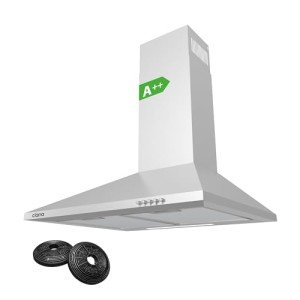
Extractor Hood Kitchen
Add a review FollowOverview
-
Founded Date July 4, 1911
-
Posted Jobs 0
-
Viewed 12
Company Description
Guide To Extractor Fan Hood: The Intermediate Guide Towards Extractor Fan Hood
The Essential Guide to Extractor Fan Hoods
In modern kitchens, preserving a tidy and breathable atmosphere is necessary for both cooking pleasure and general health. An extractor fan hood, also understood as a range hood or kitchen hood, plays a critical role in making sure the kitchen remains totally free from unwanted smoke, odors, and grease. This detailed guide will dig into the significance of extractor fan hoods, their working mechanisms, types, advantages, installation ideas, upkeep info, and responses to often asked questions.
What is an Extractor Fan Hood?
An extractor fan hood is a ventilating device installed above the cooking range or stove to remove airborne grease, smoke, heat, and smells. It operates by drawing air upward and after that removing impurities, expelling either outside or recirculating the tidy air back into the kitchen.
Table 1: Functions of an Extractor Fan Hood
| Function | Description |
|---|---|
| Air Filtration | Removes smoke, odors, and airborne particulates |
| Heat Removal | Reduces excess heat produced during cooking |
| Improved Air Quality | Improves indoor air quality in the kitchen |
| Lighting | Typically consists of built-in lighting for much better visibility |
Kinds Of Extractor Fan Hoods
Extractor fan hoods been available in various styles and functionalities, ensuring that there is one to fulfill every kitchen’s requirements.
Table 2: Types of Extractor Fan Hoods
| Type | Description |
|---|---|
| Wall-Mounted | Installed on the wall above the range; popular in modern kitchens. |
| Under-Cabinet | Installed underneath kitchen cabinets for a structured appearance. |
| Island | Suspended from the ceiling, perfect for open kitchens with an Island Cooker Hood. |
| Downdraft | Built into the counter and increases when needed; saves area. |
| Portable | Standalone units that can be moved as required; suitable for small kitchens. |
Benefits of Using an Extractor Fan Hood
Improved Air Quality: By eliminating smoke and smells, extractor fan hoods add to a healthier cooking environment.
Smell Control: They prevent lingering cooking smells from spreading throughout the home.
Lowered Heat: Extractor fan Cooker Hoods Uk can assist lower excess heat, making cooking more comfortable, especially in warmer months.
Grease Prevention: They record oily particles from cooking, lowering build-up on walls and cabinets.
Improved Kitchen Aesthetics: An elegant hood can work as a focal point, elevating the general kitchen design.
Table 3: Key Benefits of Extractor Fan Hoods
| Advantage | Description |
|---|---|
| Health | Minimizes bacteria and airborne contaminants |
| Comfort | Minimizes heat, making cooking more enjoyable |
| Visual Appeal | Contributes to the kitchen’s visual appeal |
| Efficiency | Improves the overall functionality of the kitchen |
How to Choose the Right Extractor Fan Hood
When choosing an extractor fan hood, consider the list below elements:
- Size: Ensure the hood is the right size for your cooking range. As a guideline of thumb, the hood needs to be at least as wide as the cooking surface area.
- Power: Look for a model with sufficient airflow (measured in CFM – cubic feet per minute) for your cooking practices. For high-heat cooking, aim for higher CFM.
- Duct Type: Decide between ducted and ductless designs based upon your kitchen layout and regional ventilation choices.
- Noise Level: Some models are quieter than others; check the sone rating (a system of loudness) to discover a model that won’t interrupt your cooking environment.
Setup Tips
- Location: Install the hood 30-36 inches above the cooking range for optimal efficiency.
- Ducting: If utilizing ducted ventilation, ensure appropriate duct size and length for efficient airflow.
- Electrical Work: Engage a certified electrical contractor for power connection to prevent safety threats.
Upkeep of Extractor Fan Hoods
Regular maintenance is vital to guarantee the durability and efficiency of an extractor fan hood.
List: Maintenance Tips
- Clean Filters Regularly: Metal filters should be cleaned up monthly, while charcoal filters (in ductless hoods) may need replacement roughly every 6 months.
- Clean Down Exterior Surfaces: Regularly tidy the outside of the hood to keep it looking brand-new.
- Look For Oil Build-Up: Inspect and eliminate any grease accumulation to avoid reduced effectiveness.
Frequently Asked Questions (FAQs)
1. How frequently should I run my extractor fan hood?
It is a good idea to run the extractor fan hood while cooking and for a couple of minutes after cooking to get rid of any lingering heat and smells.
2. Can I set up an extractor fan hood myself?
While some homeowners might choose to set up a hood themselves, it is advised to employ an expert, particularly if ducting or electrical work is involved.
3. What kind of filter is best for my hood?
It depends on whether your hood is ducted or ductless. Ducted hoods utilize metal filters, while ductless designs require charcoal filters to eliminate odors.
4. How do I know what size extractor fan hood to purchase?
Procedure your cooking range, and choose a hood that is at least the same width or slightly larger. Do not forget to factor in the height from the range to the hood.
5. What is the typical life-span of an Hob Extractor fan hood?
With proper maintenance, many extractors can last anywhere from 10 to 15 years.
Executing an extractor fan hood in the kitchen is an integral part of maintaining a healthy and satisfying cooking environment. By ending up being acquainted with the different types of hoods offered, the benefits they provide, and how to select and preserve them, house owners can make informed choices to enhance their culinary spaces. Whether lowering cooking smells, managing heat, or simply enhancing air quality, an Hob Extractor fan hood is unquestionably an essential kitchen device.