

Advanced Walker
Add a review FollowOverview
-
Founded Date February 29, 1992
-
Posted Jobs 0
-
Viewed 15
Company Description
What’s The Current Job Market For Innovative Walker Design Professionals Like?
Innovative Walker Design: A Leap Towards Enhanced Mobility
As the global population ages, the demand for effective mobility solutions has actually become increasingly pressing. Standard walkers, while practical, are typically criticized for being cumbersome and doing not have design innovation. Nevertheless, a wave of development has actually infiltrated the marketplace, bringing forth modern walker designs that not just cater to the physical needs of users however also stress design, ergonomics, and technology. This blog site post explores these groundbreaking walker styles, their features, and how they are enhancing the self-reliance of people with mobility obstacles.
The Evolution of Walker Design
Historical Perspective
Walkers have actually come a long way considering that their beginning in the early 20th century. Initially developed as simple metal frames, these mobility aids saw steady enhancements over the years. As awareness about ergonomics and user convenience increased, designers started presenting features that much better suited the unique requirements of seniors and individuals with disabilities.
Existing Trends
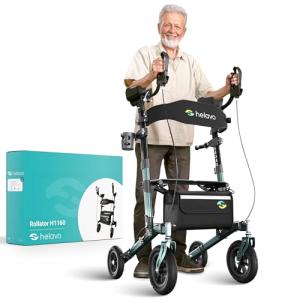
In current years, innovative Outdoor Walker designs have actually harnessed technology, ergonomics, and modern visual appeals. Below are some of the key features that are changing the walker landscape:
| Feature | Description | Benefit |
|---|---|---|
| Lightweight Materials | Use of products like aluminum and composite polymers | Simpler to maneuver and Transport Walker |
| Adjustable Height | Adjustable dimensions for each user | Enhanced convenience and suitability |
| Compact Design | Folds for easy storage and mobility | Benefit for users on the go |
| Integrated Technology | Features like smart sensing units and GPS | Improved safety and navigation |
| Fashionable Aesthetics | Color options and stylish designs | Enhances user self-confidence and desirability |
Innovative Features of Modern Walkers
1. Ergonomic Design
Current walker models focus on ergonomics, making sure that the height, handle grip, and overall shape accommodate the user’s convenience. For example, curved manages or hand grips made from soft, slip-resistant materials help reduce stress on the wrists and hands throughout usage.
2. Smart Technology
A noteworthy pattern in walker design is the combination of wise technology. Some modern walkers come geared up with sensors that notify caregivers or relative if the user falls or displays indications of distress. Additionally, built-in GPS technology allows users to browse unfamiliar terrains safely.
3. Multi-Functional Capabilities
Innovative walkers now use additional functionality beyond simply helping with mobility. Some styles include integrated seats, storage baskets, and even cup holders. This multi-functional approach enables users to rest when needed and bring necessary products, consequently promoting independence.
4. Personalized Features
The ability to personalize a Stable Walker to fit private requirements has ended up being a considerable selling point. Adjustable frames, vibrant accessories, and other customizable aspects enable users to have a walker that feels distinctively theirs.
5. Wheel Options
Some walkers now include different wheel choices, including bigger wheels for rough surface or smaller ones for flat surfaces. This versatility ensures that users can browse various environments without feeling unsteady or uncomfortable.
Benefits and drawbacks of Innovative Walkers
While the improvements in walker design bring many benefits, it’s necessary to think about both the benefits and disadvantages.
| Pros | Cons |
|---|---|
| Increased safety and stability | Prospective for higher costs |
| Greater user comfort and usability | Some features may be unnecessary for all users |
| Stylish design options improving user spirits | Technology can be intimidating for some users |
| Improved portability and storage alternatives | Maintenance of advanced technology may be needed |
Regularly Asked Questions (FAQs)
Q1: Are innovative walkers more costly than standard walkers?
A1: Yes, innovative walkers frequently come with higher cost due to their advanced features and products. However, the financial investment might be rewarding for the added safety, convenience, and self-reliance they offer.
Q2: How do I pick the best walker for my needs?
A2: When selecting a walker, consider your daily activities, physical abilities, and any specific needs you may have (such as storage or technology). Trying out various models in-store can assist you discover one that feels comfortable.
Q3: Are there walkers designed specifically for seniors?
A3: Many modern walkers cater particularly to the needs of seniors, including lightweight products, ergonomic designs, and easy-to-use functionalities that improve usability.
Q4: Can walkers be utilized outdoors?
A4: Absolutely! Lots of innovative walkers included bigger wheels suited for Outdoor Walker surfaces, making it much easier for users to navigate parks, sidewalks, and unequal ground.
Q5: Do walkers require much maintenance?
A5: Maintenance needs differ by model. Basic cleaning and periodic examine wheels and systems are usually adequate. Technically advanced walkers may need software application updates or battery replacements for sensors.
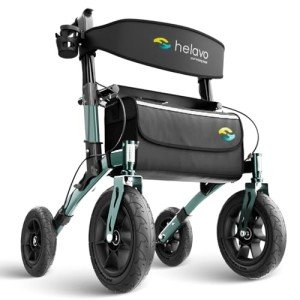
The Innovative Walker Design walker designs presently emerging in the market are a testament to the imaginative methods being required to improve mobility aids. These walkers not just serve their fundamental purpose but likewise enrich the user’s quality of life by including security, functionality, and visual appeals into their design. As we continue to accept these advancements, it’s vital for users and caregivers alike to remain notified about their choices, guaranteeing that individuals keep their independence and take pleasure in the flexibility of movement.
With technology continuing to develop, the future of walker design appears bright, appealing enhanced services for mobility that cater to an ever-growing requirement for inclusivity and user-centered design.