

Best Robot Vacuum Cleaner
Add a review FollowOverview
-
Founded Date May 6, 1941
-
Posted Jobs 0
-
Viewed 11
Company Description
How Much Do Robot Vacumm And Mop Experts Make?
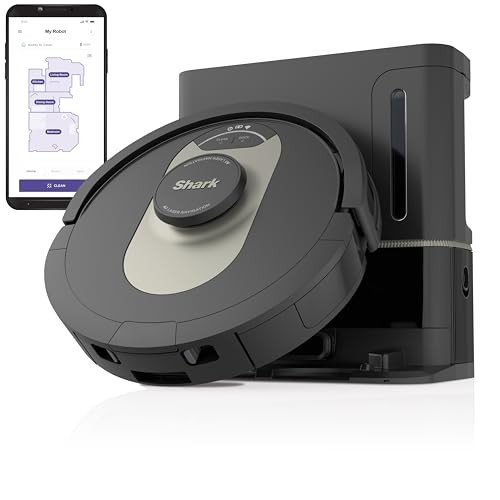
The Rise of Robot Vacuums and Mops: A Comprehensive Overview
As innovation continues to advance at a quick speed, home chores have become more workable, permitting property owners to take pleasure in cleaner environments with less effort. Among the most substantial developments in the home cleaning arena has actually been the introduction of robot vacuums and mops. This post looks into the functionality, benefits, and considerations of robot vacuums and mops, along with contrasts of popular designs, and a thorough FAQ to address typical queries.
Comprehending Robot Vacuums and Mops
Robot vacuums and mops are automated cleaning devices created to independently browse and perform cleaning jobs. Equipped with sensing units and mapping software, these devices can effectively clean different surface area types while avoiding challenges in their course.
Key Features of Robot Vacuums and Mops
- Navigation: Advanced designs utilize mapping innovation, producing a comprehensive design of your home, while easier designs may count on random navigation.
- Suction Power: This determines how effectively a robot can choose up dirt, particles, and family pet hair. Higher suction power usually results in better cleaning efficiency.
- Battery Life: Longer-lasting batteries enable more prolonged cleaning sessions and protection of larger spaces.
- Smart Connectivity: Many models are geared up with Wi-Fi connection, making it possible for users to manage the device through mobile phones or smart home systems.
- Mopping Functionality: Some designs combine vacuuming and mopping abilities to boost cleaning performance.
Advantages of Robot Vacuums and Mops
The growing popularity of these gadgets can be credited to several benefits:
- Time-Saving: robot vacuum cleaner for Sale vacuums and mops permit users to entrust cleaning jobs, making it easier to concentrate on other essential activities.
- Consistency: These devices maintain routine cleaning schedules, causing regularly tidy floorings and less dust build-up.
- Accessibility: Robot vacuums can browse under furniture and reach locations that standard vacuums might not, ensuring a more comprehensive tidy.
- User-Friendly: With a bulk of models geared up with instinctive apps, even tech newbies can run these robots with ease.
Popular Robot Vacuums and Mops Comparison Table
The following table compares some of the most popular robot vacuum and mop models available on the marketplace:
| Model | Navigation Type | Suction Power (Pa) | Battery Life (minutes) | Mopping Function | Smart Connectivity | Rate Range |
|---|---|---|---|---|---|---|
| iRobot Roomba i7+ | Smart Mapping | 1700 | 90 | Yes | Yes | ₤ 600 – ₤ 800 |
| Roborock S6 MaxV | Smart Mapping | 2500 | 180 | Yes | Yes | ₤ 650 – ₤ 900 |
| Neato Botvac D7 | Smart Mapping | 2000 | 120 | No | Yes | ₤ 600 – ₤ 700 |
| Eufy RoboVac L70 II | Laser Navigation | 2200 | 150 | Yes | Yes | ₤ 400 – ₤ 600 |
| Ecovacs Deebot OZMO T8 | Smart Mapping | 3000 | 240 | Yes | Yes | ₤ 650 – ₤ 950 |
Practical Considerations When Choosing a Robot Vacuum or Mop
When it concerns selecting the ideal robot vacuum or mop for your needs, think about the list below elements:
- Type of Surfaces: Ensure the model you select is suitable for the surface areas in your house, whether wood, tile, or carpet.
- Pet Owners: If you have pets, search for designs specifically created to deal with animal hair and dander efficiently.
- Home Size: For larger homes, think about designs with greater battery life and suction power to cover more ground without needing a recharge.
- Smart Features: Evaluate your comfort with technology and whether you choose a model that can integrate with your smart home system.
How to Maintain Your Robot Vacuum or Mop
Regular upkeep is important for optimal efficiency. Here are some tips for keeping your gadget in top shape:
- Regular Cleaning of Brushes and Filters: Remove hair, debris, and dust from brushes and filters after each usage to keep suction power.
- Battery Care: Keep the gadget charged and avoid letting the battery drain completely to prolong its life expectancy.
- Software Updates: Ensure that your robot’s software is updated regularly to improve performance and performance.
Frequently Asked Questions (FAQ)
1. How does a robot vacuum browse my home?
Robot vacuums normally utilize either infrared sensing units, video cameras, or lasers to produce a map of your home and avoid obstacles. Advanced models utilize smart mapping technology to find out the layout with time.
2. Can robot vacuums successfully clean carpets?
Yes, lots of robot vacuums are developed with effective suction abilities particularly for carpeted flooring. It’s essential to examine the specs to ensure they fulfill your carpet cleaning needs.
3. Are robot vacuums noisy?
Many robot vacuums run silently, typically producing sound levels similar to a dishwasher. For specific sound levels, refer to the product specifications before purchase.
4. How often should I run my robot vacuum?
For day-to-day cleaning, running a robot vacuum every other day is typically sufficient, depending upon foot traffic and the existence of pets. Some individuals choose to run it once a day for ideal tidiness.
5. Are robot mops effective for deep cleaning?
While robot mops can eliminate surface-level dirt and spots, they are not a replacement for deep cleaning. Regular manual mopping is still needed for comprehensive tidiness.
Robot vacuums and mops have changed the method we approach home cleaning, using convenience, performance, and consistency. As customers end up being increasingly thinking about smart home innovation, these devices will likely continue to evolve, making home tasks even easier. By understanding their functions, benefits, and maintenance, homeowners can make informed choices and achieve a cleaner living environment with very little effort. Whether you’re thinking about making the switch or simply exploring your alternatives, robot vacuums and mops can be a worthwhile financial investment in enhancing your family management.