

Cooker Hood
Add a review FollowOverview
-
Founded Date July 21, 1958
-
Posted Jobs 0
-
Viewed 7
Company Description
15 Best Cooker Hoods Bloggers You Should Follow
The Ultimate Guide to Kitchen Cooker Hoods
When it comes to creating an efficient, comfy, and elegant kitchen, one element that frequently gets ignored is the cooker hood. A crucial component in modern kitchens, cooker hoods play a crucial role in preserving air quality while improving the performance of the cooking area. In this extensive guide, we will explore the importance of cooker hoods, their types, installation pointers, upkeep practices, and responses to frequently asked questions.
What is a Kitchen Cooker Hood?
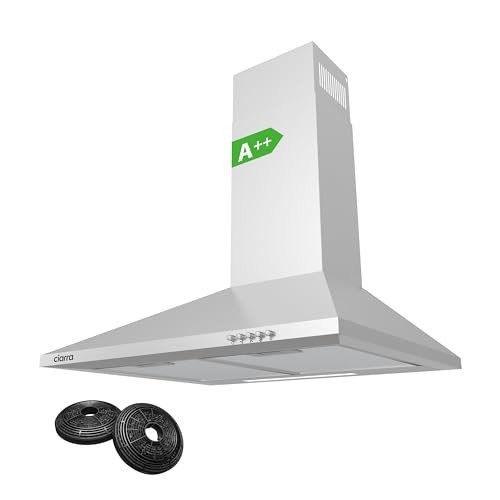
A kitchen cooker hood, also called a range hood or exhaust hood, is a kitchen appliance created to ventilate smoke, heat, grease, and steam created during cooking. Cooker hoods can either recirculate air back into the kitchen or vent it outside, depending upon the model and installation.
Tables below will use a detailed comparison of the different types of cooker hoods, their features, and factors to consider when choosing the right one for your kitchen.
Kinds Of Cooker Hoods
| Type | Description | Pros | Cons |
|---|---|---|---|
| Wall-Mounted | Installed on the wall above the stove and vented straight outdoors. | Efficient ventilation; saves area. | Installation might be complicated; limited placement. |
| Island | Suspended from the ceiling over a kitchen island. | Aesthetic appeal; supplies great coverage. | High setup cost; needs a ceiling hook. |
| Under-Cabinet | Set up beneath cabinets above a stove, suitable for limited space. | Compact; convenient for small kitchens. | May not be as effective; air blood circulation can be limited. |
| Downdraft | Developed into the counter top, increases when required and retracts when not in use. | Smooth style; efficient for cooktops. | Typically less effective; can be more costly. |
| Portable | Light-weight, freestanding systems that can quickly be moved as needed. | Versatile; can be used in different locations. | Might not be as powerful; restricted by size. |
Secret Features to Consider
- Extraction Method: Choose between ducted (vented) and ductless (recirculating).
- Product: Stainless steel is long lasting and easy to tidy; glass offers a modern visual.
- Size: Ensure the hood is at least as wide as your cooktop to make the most of coverage.
- CFM Rating: The Cubic Feet per Minute (CFM) indicates the ventilation power; typically, 300-600 CFM is perfect for the majority of home kitchens.
- Noise Level: Measured in sones; quieter hoods generally operate at lower sone levels.
- Filtration: Filters can be charcoal for ductless systems or metal for ducted systems; ease of cleaning is necessary.
Value of Kitchen Cooker Hoods
Appropriate ventilation in a kitchen is crucial for numerous factors:
- Improved Air Quality: Cooker Hood Extractor Fan hoods assist get rid of harmful smoke, steam, and smells created throughout cooking.
- Health Benefits: By eliminating airborne grease and particulates, they reduce breathing threats and enhance general indoor air quality.
- Preventing Damage: Excess wetness and heat from cooking can result in mold and damage to kitchen surface areas. Cooker hoods assist mitigate these issues.
- Enhanced Comfort: An effective hood can substantially lower kitchen temperature levels, making cooking more enjoyable.
Setup Tips
Installing a cooker hood is a necessary action that requires mindful consideration of several factors:
- Location: Position the hood directly above the cooktop, preserving a height of 24-36 inches.
- Power Source: Ensure there is an available electrical outlet near the setup website for proper power supply.
- Ducting: Choose a straight and brief duct path to maximize performance; prevent extreme bends.
- Expert Installation: For more complicated designs, working with a professional installer can make sure proper performance and safety.
- Follow Manufacturer’s Guidelines: Always describe maker directions for particular setup requirements and recommendations.
Maintenance Tips
To make the most of the durability and effectiveness of your cooker hood, routine maintenance is crucial. Here are a number of upkeep ideas:
- Clean Regularly: Wipe down the outside with suitable cleaners to keep surface areas clean.
- Modification Filters: For ducted hoods, clean or replace metal filters every 3-6 months. For ductless hoods, ensure charcoal filters are replaced according to the producer’s instructions.
- Examine Ductwork: Inspect vents and ductwork for blockages or buildup of grease.
- Sound Keeping: If the hood begins making unusual sounds, it may indicate an issue with the motor or Hob Extractor Fan. Execute timely repairs.
- Professional Servicing: Consider an annual checkup by an expert to guarantee ideal performance.
Often Asked Questions (FAQs)
1. How do I choose the best size of cooker hood for my kitchen?
To figure out the best Cooker Hoods size, determine the width of your cooktop and pick a hood that is at least the very same width or larger.
2. Are ducted hoods much better than ductless?
Ducted hoods tend to be more efficient at aerating air, while ductless hoods are flexible and much easier to set up.
3. How frequently should I clean the filters?
Metal filters should be cleaned up every couple of months, while charcoal filters should be replaced as per the manufacturer’s suggestions.
4. What is the ideal CFM for my kitchen?
For a basic home kitchen, a CFM score in between 300 to 600 is normally adequate. However, bigger upgrades might need higher CFMs.
5. Can I install a cooker hood myself?
While some designs permit for DIY setup, it is typically advised to hire a professional for more complex ducting and electrical work.
In conclusion, a kitchen cooker hood is more than just a functional home appliance; it is vital for maintaining a safe and healthy cooking environment. By understanding the Types Of Cooker Hood, functions, installation, and upkeep of cooker hoods, homeowners can make informed choices leading to boosted cooking experiences and kitchen looks. With the ideal cooker hood, a kitchen can change into a space that integrates design with effectiveness, guaranteeing enjoyable cooking and amusing for years to come.