

Exercise Bicycle
Add a review FollowOverview
-
Founded Date March 12, 1937
-
Posted Jobs 0
-
Viewed 17
Company Description
Learn About Exercise Cycle While Working From At Home
The Exercise Cycle: Understanding Its Benefits and Best Practices
Introduction
In an age where inactive lifestyles have ended up being significantly widespread, the importance of fitness can not be overemphasized. An exercise cycle, or stationary bicycle, has actually become a popular and reliable option for individuals seeking to improve their cardiovascular health, improve their fitness levels, or merely incorporate routine exercises into their everyday regimens. This short article explores the different benefits of an Exercise Bike Promotions cycle, optimum usage ideas, security precautions, and answers regularly asked questions.
What is an Exercise Cycle?
An exercise cycle is a stationary fitness device created to replicate biking movements. It allows individuals to participate in cardiovascular exercises without needing the area or conditions of outdoor cycling. With adjustable resistance levels and different built-in workout programs, exercise cycles can deal with a broad variety of fitness levels, making them available to both newbies and experienced professional athletes.
Kinds Of Exercise Cycles
| Type | Description |
|---|---|
| Upright Cycle | Simulates the position of a traditional roadway bike; motivates an active cycling posture. |
| Recumbent Cycle | Features a bigger seat with back support; suitable for those looking for convenience throughout exercises. |
| Indoor Spin Bike | Developed for high-intensity interval training (HIIT) and group cycling classes; generally lightweight. |
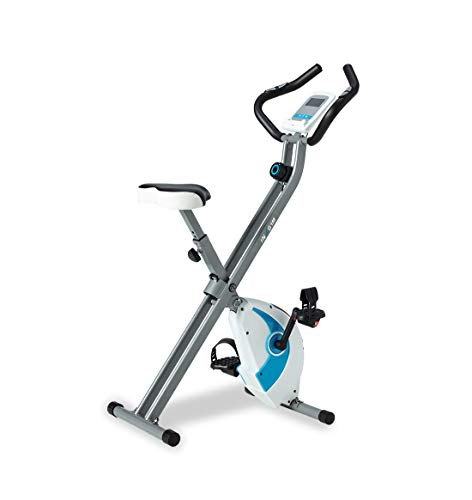
| Folding Cycle | Compact and portable; folds up for easy storage, making it an outstanding option for small areas. |
Advantages of Using an Exercise Cycle
1. Cardiovascular Health
Engaging in routine cycling can substantially boost cardiovascular health. According to the American Heart Association, aerobic exercise, like cycling, helps to decrease high blood pressure, minimize cholesterol levels, and can even decrease the threat of stroke.
2. Weight Management
Exercising on an exercise cycle can contribute to weight loss and management. Depending upon one’s effort and intensity, individuals can burn a considerable variety of calories. Here’s a rough price quote of calories burned during a 30-minute cycling session based upon various strengths:
| Intensity Level | Calories Burned (30 minutes) |
|---|---|
| Low-intensity | 200-300 |
| Moderate-intensity | 300-400 |
| High-intensity | 400-600 |
3. Low Impact Exercise
One of the considerable advantages of cycling is that it offers a low-impact option to high-impact sports. This is especially beneficial for individuals with joint concerns or those recuperating from injuries, enabling them to construct strength and endurance without undue tension on the body.
4. Convenience
An exercise cycle offers the benefit of working out in your home, removing barriers such as bad weather or commute times. Moreover, modern-day bikes frequently feature functions like digital displays and exercise tracking, boosting the overall exercising experience.
5. Mental Health Benefits
Exercise in any form has actually been revealed to have positive influence on mental health. Biking can reduce stress, anxiety, and depression by launching endorphins– vitamin D, enhanced sleep, and increased energy levels can even more enhance well-being.
Best Practices for Using an Exercise Cycle
To optimize the advantages of an exercise cycle, here are some best practices:
1. Adjust the Bike Properly
- Seat Height: Adjust the seat so that your leg is a little bent when the pedal is at its floor.
- Handlebar Position: Ensure the handlebars are at a comfy height to avoid pressure.
2. Warm-Up and Cool Down
- Invest 5-10 minutes warming up with low resistance and slowly increasing strength.
- Follow workouts with a cool-down period including light cycling and stretches to promote versatility.
3. Integrate Interval Training
- Alternate between high-intensity bursts and lower intensity for recovery. This can boost cardiovascular fitness and increase calorie burn.
4. Screen Your Heart Rate
- Use a heart rate display to ensure exercises remain within target heart rate zones for ideal cardiovascular advantages.
5. Stay Hydrated
- Keep a water bottle within reach and drink water routinely throughout your workout to maintain hydration.
Safety Precautions
While exercise cycles are normally safe, it’s necessary to comply with these preventative measures:
- Ensure the bike is on a flat, stable surface to avoid mishaps.
- Avoid distractions; focus on your workout rather than watching TV or having open conversations.
- If you feel discomfort (beyond common tiredness), stop your workout and examine any discomfort.
Regularly Asked Questions (FAQs)
1. The length of time should I ride an exercise cycle for efficient workouts?
For basic fitness, goal for at least 150 minutes of moderate-intensity aerobic exercise weekly, which equates to about 30 minutes a day on most days.
2. Can beginners utilize an exercise cycle?
Yes! Exercise cycles appropriate for all fitness levels. Beginners must start at a comfortable resistance and slowly increase strength as they become more accustomed.
3. Is it required to use special shoes for biking?
While unique biking shoes might boost efficiency, regular athletic shoes can be perfectly adequate for casual biking exercises.
4. How often should I utilize my exercise cycle?
For optimal results, it’s advised to consist of cycling exercises in your weekly fitness routine 3-5 times a week.
The exercise cycle supplies a flexible and effective option for those looking for to enhance their physical conditioning and general health. With its myriad advantages– from enhancing cardiovascular fitness to supporting mental health– it’s no surprise that lots of individuals have accepted this type of exercise. By following best practices and security standards, anybody can gain from integrating an exercise cycle into their fitness program, making every pedal a step towards a much healthier way of life.