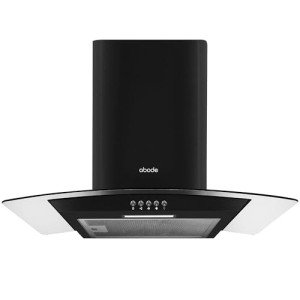
Extractor Hoods For Kitchens
Add a review FollowOverview
-
Founded Date August 25, 1982
-
Posted Jobs 0
-
Viewed 9
Company Description
A Look At The Ugly Truth About Cooker Hood
Understanding Kitchen Cooker Hoods: A Comprehensive Guide
In the heart of every home, the kitchen stands as an essential hub where meals are prepared, flavors are checked out, and memories are developed. However, cooking can also come with its disadvantages, such as smoke, steam, grease, and smells that linger long after the meal is made. Get in the kitchen cooker hood, a device that plays an important role in maintaining a tidy and enjoyable Kitchen Extractor Fan environment. This article will explore the numerous types of cooker hoods, their benefits, key features to consider, and common questions surrounding their usage.
What is a Kitchen Cooker Hood?
A kitchen cooker hood, also understood as an exhaust hood or range hood, is a gadget installed above the cooking surface. Its primary purpose is to filter and vent contaminants, such as smoke and smells, far from the kitchen. Cooker hoods can make use of different approaches to achieve this task, consisting of ducted and ductless systems.
Kinds Of Cooker Hoods
To much better comprehend the alternatives readily available, here’s a relative overview of the different types of cooker hoods:
| Type | Description | Pros | Cons |
|---|---|---|---|
| Wall-Mounted | Connected to the wall above the cooking area | Space-saving, stylish designs | Restricted reach for bigger cooking areas |
| Under-Cabinet | Installed under Kitchen Extractor cabinets | Maintains cabinet visual appeal | Might be less effective than bigger designs |
| Island | Suspended above a kitchen island | Perfect for open-concept spaces | Needs ceiling installation |
| Downdraft | Pulls back into the countertop when not in use | Streamlined style, conserves overhead space | Normally less effective |
| Expert | High-performance systems for severe cooks | Superior ventilation and capability | More costly, requires more upkeep |
Advantages of Using a Cooker Hood
Installing a Cooker Hood Extractor Fan hood in your kitchen provides various advantages:
Improved Air Quality: Cooker Hood Extractor hoods effectively get rid of air-borne grease, smoke, and odors, guaranteeing that the air remains fresh while cooking.
Prevention of Mold and Mildew: By lowering humidity levels generated during cooking, hoods help avoid the growth of mold and mildew.
Improved Kitchen Aesthetics: With different styles offered, cooker hoods can add a touch of modernity and elegance to any kitchen design.
Lessened Buildup of Grease: Regular operation of a cooker hood prevents grease from building up on kitchen surface areas, making clean-up much easier.
Increased Kitchen Safety: By eliminating smoke and possibly harmful fumes, cooker hoods improve total safety while cooking.
Secret Features to Consider
When picking a cooker hood for your Kitchen Cooker Hoods (Http://Blackhealthdirectory.Com/Author/Cookerhood8914/), consider the following functions:
Suction Power (CFM): The power of a hood is determined in cubic feet per minute (CFM). A greater CFM ranking indicates a capability to get rid of smoke and odors quickly. For the majority of kitchens, a range of 300-600 CFM is ideal.
Noise Level (Sonnes): Some hoods operate louder than others. An unit with lower sones will offer quieter performance. Try to find hoods that operate listed below 60 sones for a quieter cooking experience.
Purification Type:
- Ducted: Vents contaminated air exterior, requiring ductwork installation.
- Ductless: Cleans the air with filters and recirculates it back into the kitchen, perfect for apartments.
Design and Size: Consider the area available and the style of the kitchen. The hood must line up aesthetically with other kitchen appliances and fit comfortably above the cooktop.
Reduce of Cleaning: Filters require to be cleaned up or changed frequently; easy-access models make this job less troublesome.
Lighting: Many cooker hoods are geared up with integrated lights to illuminate the cooking surface. Great lighting enhances exposure while preparing meals.
Often Asked Questions (FAQ)
1. How do I figure out the best size of a cooker hood for my kitchen?
To figure out the ideal size, the hood should ideally be as wide as or broader than the cooking surface area. Furthermore, think about the height and space readily available, ensuring it is set up high enough above the stove for safety and proper efficiency.
2. How typically should I clean up or replace the filters?
It is advised to clean metal filters every month and change them every few months, depending on use. Charcoal filters in ductless models might need replacement every 3-6 months.
3. Can I utilize my cooker hood without ductwork?
Yes, ductless cooker hoods work without comprehensive ductwork. They filter the air before sending it back into the kitchen. However, ducted alternatives are normally more effective for aerating the kitchen.
4. Are all cooker hoods loud?
Not all cooker hoods are noisy. The noise levels vary by model, with some being more efficient and quieter than others. Constantly check the sones ranking to find a quieter option.
5. Is it essential to have a cooker hood?
While not compulsory, a cooker hood is highly advised for decreasing indoor air toxins, enhancing ventilation, and keeping a cleaner kitchen environment.
Cooking is an art kind that is worthy of the right environment. A kitchen cooker hood is not simply a home appliance; it is an essential tool for promoting security, tidiness, and convenience while cooking. By taking in undesirable odors, moisture, and air-borne particles, a cooker hood develops a delightful environment where culinary adventures can grow. When selecting the best cooker hood, consider your kitchen’s design, your cooking habits, and the variety of features available to find the ideal match. By purchasing a quality cooker hood, homeowners can elevate their cooking experience while ensuring a cleaner and safer kitchen.