

Fascia And Soffit
Add a review FollowOverview
-
Founded Date December 14, 1972
-
Posted Jobs 0
-
Viewed 11
Company Description
5 Killer Queora Answers On Roofline Repairs
Roofline Repairs: Everything You Need to Know
When it pertains to the integrity of a home, the roofline is frequently an ignored yet essential part. Roofline repairs are crucial for keeping the general health of your home, guaranteeing it remains safe, dry, and energy-efficient. In this blog post, we’ll explore the essentials of roofline repairs, including typical concerns, the materials involved, and pointers for preserving a strong roofline.
What is Roofline?
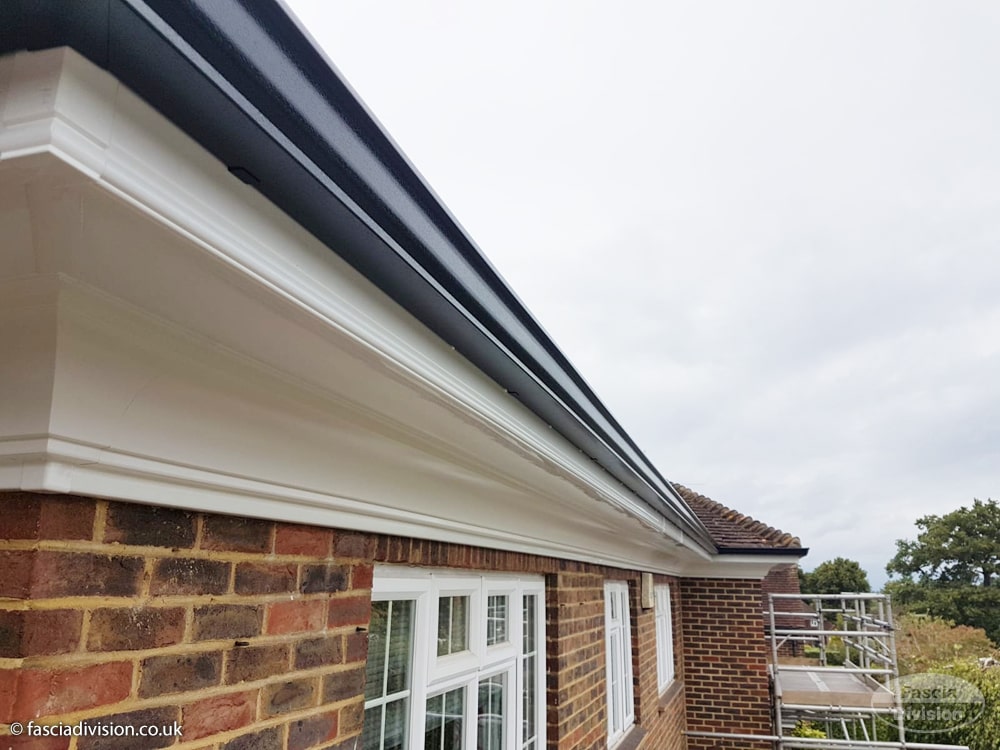
The term “roofline” refers to the edges or profiles of a roofing system, that include not simply the roof product itself but also important elements like gutters, fascias, soffits, and bargeboards. Each of these elements plays a significant function in directing water away from the building and preventing a myriad of problems.
Table 1: Components of Roofline
| Part | Purpose |
|---|---|
| Gutters | Collect and direct rainwater away from your house. |
| Fascias | Offer a finished take a look at the edge of the roofing system and support the gutter system. |
| Soffits | Safeguard the underside of the roof overhang and aerate the attic space. |
| Bargeboards | Cap completions of the roofing system rafters and offer security against weather components. |
Typical Roofline Issues
Much like any other part of the home, the roofline is prone to wear and tear. Below are some common roofline problems that homeowners need to understand:
1. Damaged or Missing Gutters
Gutters can become clogged up or damaged in time. If water overflows from the seamless gutters, it can lead to substantial damage to the fascia, soffits, and even the walls of your home.
2. Fascia and Soffit Damage
Fascia And Cladding and soffits can rot due to moisture exposure. Signs of damage include peeling paint, drooping, or noticeable holes.
3. Bargeboard Degradation
Bargeboards are frequently exposed to the components, which can trigger paint to peel or wood to rot. Damage in this location can affect the total appearance of the roofing system and allow water to get in the structure.
4. Ventilation Problems
Inadequate ventilation in the roofline can cause heat build-up in the attic, causing roof materials to degrade more rapidly and potentially leading to mold development.
Table 2: Signs of Roofline Issues
| Concern | Indications to Look For |
|---|---|
| Clogged Gutters | Water overflow, drooping gutters |
| Fascia/Soffit And Cladding Damage | Rot, peeling paint, mold |
| Bargeboard Problems | Visible rot, splitting paint |
| Poor Ventilation | Ice dams, heat build-up in the attic |
Products Used in Roofline Repairs
When it pertains to roofline repairs, the products utilized can vary extensively based on the particular problem and the area’s environment. Understanding these products can assist property owners make notified choices.
Common Materials:
PVC: A popular option for seamless gutters and soffits due to its resistance to rot and low maintenance requirements.
Wood: While visually pleasing, wood fascia and soffits require regular maintenance to avoid rot and decay.
Aluminium: Often used for gutters, aluminum is lightweight and resistant to rust.
Composite Materials: These blend wood and synthetic products, offering resilience without sacrificing appearance.
Table 3: Pros and Cons of Common Roofline Materials
| Material | Pros | Cons |
|---|---|---|
| PVC | Rot-resistant, low maintenance | Can be less aesthetically appealing |
| Wood | Visually pleasing, standard | Requires regular maintenance |
| Aluminium | Rust-resistant, light-weight | Can dent easily |
| Composite | Durable, low maintenance | Generally more expensive |
Maintenance Tips for a Healthy Roofline
Preserving your roofline is essential for avoiding expensive repairs down the line. Here are some vital maintenance pointers:
Regular Inspections: Conduct visual evaluations at least two times a year to identify any damage or wear.
Clean Gutters: Ensure rain gutters are clear of particles to enable appropriate water circulation.
Check for Deterioration: Look for peeling paint or indications of rot in fascias and soffits.
Guarantee Proper Ventilation: Make sure vents are clear and operating.
Professional Assistance: Consider hiring a professional to carry out extensive maintenances when essential.
Table 4: Maintenance Schedule
| Activity | Frequency |
|---|---|
| Visual evaluation | Two times a year |
| Gutter cleaning | Every 6 months |
| Professional assessment | Each year |
| Repainting fascias and soffits | Every 3-5 years |
| Vent check | Every year |
Regularly Asked Questions (FAQ)
Q1: How do I understand if my roofline requires repairs?
A: Look for indications such as water stains, peeling paint, or sagging products. Additionally, examine your gutters and look for any debris or clogs.
Q2: Can I repair the roofline myself?
A: While small repairs can be DIY jobs, it’s a good idea to hire a professional for substantial or complex repairs, specifically if you’re not experienced.
Q3: What is the average expense for roofline repairs?
A: The expense differs based upon the degree of the damage and the materials used. Minor repairs can start at a couple of hundred dollars, while major replacements could face thousands.
Q4: How can I prevent roofline damage?
A: Regular maintenance, cleaning seamless gutters, and ensuring correct ventilation are vital steps in preventing Roofline Replacement damage.
Q5: How frequently should I have my roofline checked?
A: Homeowners need to conduct visual inspections a minimum of twice a year and consider a professional examination annually.
Roofline repairs are an important aspect of home maintenance that must not be ignored. Comprehending the elements, common concerns, and maintenance methods can assist house owners secure their investment. By remaining vigilant and addressing issues as they emerge, you can ensure your roofline remains in great condition for several years to come. Remember, if you’re ever in doubt, seeking advice from with a professional can save you time and cash in the long run.