Gutter Experts
Add a review FollowOverview
-
Founded Date October 30, 1940
-
Posted Jobs 0
-
Viewed 17
Company Description
10 Meetups Around Commercial Gutters You Should Attend
Understanding Commercial Gutters: Importance, Types, and Maintenance FAQs
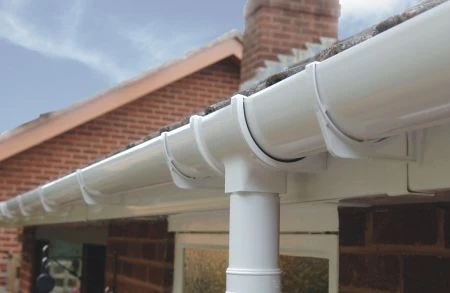
When it comes to safeguarding commercial buildings from the elements, one essential element is typically overlooked: gutters. Commercial gutters may not be as glamorous as other elements of a structure’s style, however they play a vital function in preventing water damage, maintaining structural stability, and promoting a healthy environment. This short article delves into the significance, types, and maintenance of commercial gutters, while also resolving frequently asked concerns about their installation and upkeep.
The Importance of Commercial Gutters
Water Management: The main purpose of gutters is to direct rainwater far from the building’s structure. Without an efficient gutter system, water can pool around the base, leading to flooding and structural damage.
Avoiding Erosion: Gutters secure the landscaping around a commercial residential or commercial property. By managing the circulation of water, they prevent soil disintegration, protecting not just the looks however likewise the performance of the landscaped areas.
Mold and Mildew Prevention: Standing water produces an environment conducive to mold and mildew growth, which can penetrate the building. This can result in severe health concerns for residents and might need costly remediation.
Enhancing Durability: A properly installed gutter system assists to extend the life of a commercial building by mitigating the wear and tear that excessive water can cause to roofing systems and walls.
Insurance Benefits: Some insurance plan may offer lower premiums for residential or commercial properties equipped with effective drainage solutions, including gutters. This can cause substantial long-term savings for property owners.
Kinds Of Commercial Gutters
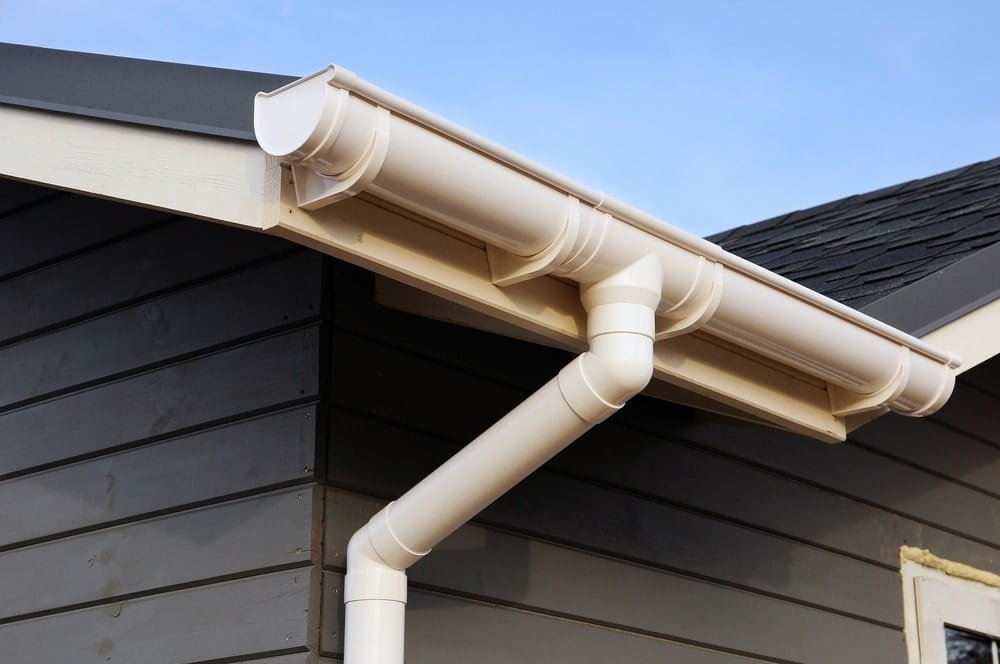
Selecting the best type of gutter system is necessary for enhancing water management in any commercial setting. Below are some typical kinds of commercial gutters:
| Type of Gutter | Description | Pros | Cons |
|---|---|---|---|
| K-Style Gutters | Flat bottom and shaped like the letter “K.” | Large capacity, looks | Can be more difficult to clean |
| Half-Round Gutters | Semi-circular shape. | Very little debris accumulation | Less volume capability |
| Box Gutters | Rectangular or square gutters typically hidden in the roof. | High volume capacity | Pricey installation |
| Seamless Gutters | Continuous lengths with no seams or joints. | Minimized leak capacity | Needs professional installation |
| Conductors | Pipelines that carry water from the gutter to the ground or drain. | Vital for appropriate drainage | Clogs can happen |
Factors to Consider When Choosing Gutters
When choosing gutters for a commercial building, consider the following elements:
- Roof Size and Pitch: Larger and steeper roofing systems may require systems with higher holding capabilities.
- Climate: Areas susceptible to heavy rains or snowfall might benefit from more long lasting systems.
- Aesthetics: The design ought to match the structure’s architecture.
- Maintenance Needs: Consider how easily the system can be maintained.
Maintenance of Commercial Gutters
Regular maintenance of commercial gutters is critical for guaranteeing their longevity and efficiency. Here are some preventive procedures and maintenance suggestions:
Regular Cleaning
- Frequency: Clean gutters at least two times a year, preferably in spring and fall.
- Debris Removal: Remove leaves, branches, and any other particles that can block drainage.
Evaluation
- Bi-Annual Checks: Inspect gutters for drooping, rusting, or damage.
- Analyze Seals: Ensure that seals are intact to prevent leakages.
Repairs
- Prompt Repairs: Address any leaks, cracks, or rust areas instantly to avoid larger concerns down the roadway.
- Professional Services: Hiring professionals for repairs can conserve time and ensure high-quality work.
Downspouts Maintenance
- Clear Blockages: Check downspouts for obstructions and clear them as needed.
- Correct Positioning: Make sure downspouts direct water a minimum of 3-4 feet far from the structure’s foundation.
Often Asked Questions (FAQs)
Q1: How often should I clean my commercial gutters?
A1: It is advised to tidy gutters at least twice a year. Nevertheless, if your structure is surrounded by trees or experiences heavy storms, more regular cleaning might be needed.
Q2: What are the indications that my gutters require replacing?
A2: Look for signs such as rust, cracks, sagging, or noticeable damage. If gutters are not directing water away from the structure successfully, it may be time for a replacement.
Q3: Can I install gutters myself, or should I work with a professional?
A3: While DIY installation is possible, working with a professional makes sure that the gutters are installed correctly, decreasing the risk of leaks and other concerns.
Q4: What’s the expense of installing commercial gutters?
A4: The expense can vary widely depending upon products, constructing size, and installation complexities. Usually, commercial gutter installation can vary from ₤ 5 to ₤ 25 per linear foot.
Q5: What material is best for commercial gutters?
A5: Common materials consist of aluminum, copper, galvanized steel, and vinyl. The option depends on the building’s design, expected life expectancy, and local environment conditions.
Q6: Will my company insurance cover gutter maintenance?
A6: Some insurance coverage may cover water damage due to overlooked gutters, although protection for regular maintenance may not be included. Always contact your insurance company for specifics.
In conclusion, commercial gutters play a crucial role in securing buildings from water damage, mold, and other structural concerns. Understanding the kinds of gutters offered, maintaining them, and understanding common questions surrounding their use can assist homeowner make informed decisions. By prioritizing an efficient gutter system, companies can protect their financial investments and guarantee a safe and healthy workplace.