

Köp Registrerat Körkort Online
Add a review FollowOverview
-
Founded Date August 24, 2022
-
Posted Jobs 0
-
Viewed 13
Company Description
20 Tools That Will Make You Better At Driver’s License Without Taking A Driver’s License
Navigating the World Without a Driver’s License: Exploring Alternatives and Implications
In today’s world, where movement is a cornerstone of life, the concept of living without a driver’s license may seem overwhelming. However, for some individuals, the decision to forgo a driver’s license is a conscious choice driven by various elements, consisting of ecological issues, cost, and individual preference. This article explores the options to driving and the implications of living without a driver’s license, supplying a comprehensive guide for those considering this way of life.
Understanding the Decision
Selecting not to have a driver’s license is an individual choice that can stem from numerous reasons. For some, it’s a dedication to reducing their carbon footprint and promoting sustainable living. Others discover the expense of owning and preserving a vehicle prohibitive, while some simply choose the convenience and liberty of other modes of transportation. Despite the inspiration, living without a driver’s license needs careful planning and a desire to adjust.
Alternatives to Driving
Mass transit
- Buses and Trains: Public transportation systems, such as buses and trains, are typically the most reliable and economical options. They are available in many metropolitan locations and supply a structured way to browse cities and rural areas.
- Subway and Light Rail: In bigger cities, trains and light rail systems use quick and efficient travel, often bypassing rush hour and decreasing travel time.
Ride-Sharing Services
- Uber and Lyft: These popular ride-sharing apps provide on-demand transport, making it easy to navigate without a car. They are especially helpful for late-night travel and in locations with minimal public transport.
- Carpooling: Joining or forming carpool groups can minimize expenses and ecological impact. Lots of neighborhood platforms and apps help with carpooling for regular commutes.
Bicycles and E-Scooters
- Bikes: Cycling is a healthy and environment-friendly way to travel, especially for much shorter distances. Many cities have committed bike lanes and körkort utan att ta körkort [www.arnoldschmier.top] bike-sharing programs to encourage this mode of transport.
- Electric Scooters: E-scooters are a fashionable and convenient choice for quick, brief trips. They are frequently readily available through rental services in city areas and can be an enjoyable alternative to traditional modes of transportation.
Walking and Jogging
- Strolling: For those living in walkable communities, walking is a basic and efficient way to remain active and navigate. It’s complimentary, requires no unique equipment, and is good for the environment.
- Jogging: Similar to walking, jogging can be a healthy and affordable way to travel, especially for brief ranges.
Electric and Hybrid Vehicles
- Electric Scooters and Bikes: For those who still want the convenience of a personal car however are worried about the environment, electrical scooters and bikes are a viable alternative. They are low-maintenance and produce less emissions.
- Hybrid Cars: If the decision to avoid a driver’s license is mostly due to ecological concerns, however the need for a car is inescapable, hybrid vehicles provide a happy medium. They combine traditional gasoline engines with electric motors to lower fuel intake and emissions.
Telecommuting and Remote Work
- Work from Home: Many companies now provide remote work options, allowing staff members to work from home or other areas. This can considerably lower the requirement for everyday travelling and the associated expenses.
- Virtual Meetings: Technology has actually made it possible to perform company meetings and other interactions practically, more minimizing the requirement for travel.
Implications of Living Without a Driver’s License
Financial Savings
- Lowered Vehicle Costs: Not having a car indicates preventing expenditures such as car payments, insurance coverage, upkeep, and fuel.
- Public Transportation Costs: While public transportation does have expenses, they are normally lower than those related to owning a car.
Environmental Impact
- Lower Carbon Emissions: By avoiding the usage of individual cars, people can significantly minimize their carbon footprint, contributing to a more sustainable environment.
- Decreased Traffic Congestion: Fewer cars on the roadway can lead to lowered traffic jam, making travel more effective for everyone.
Health Benefits
- Increased Physical Activity: Using alternatives like walking, running, and biking can enhance physical health and mental well-being.
- Minimized Stress: Avoiding the day-to-day inconveniences of driving, such as traffic and parking, can result in a more relaxed and trouble-free way of life.
Social and Community Engagement
- Community Connections: Relying on public transport or ride-sharing services can promote a sense of neighborhood and social interaction.
- Support for Local Businesses: Walking or cycling to regional organizations can help support the local economy and minimize reliance on big, ecologically hostile corporations.
Legal and Practical Considerations
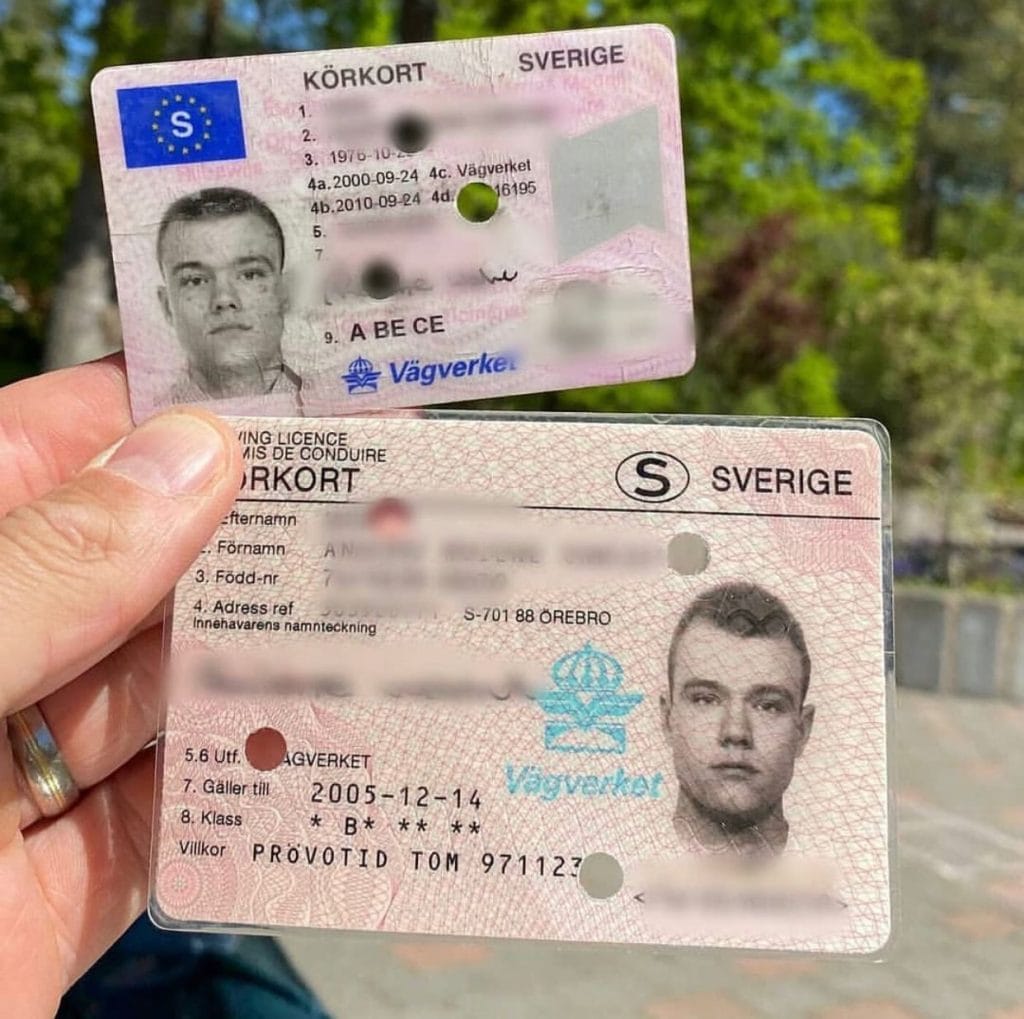
- Identification Issues: In many countries, a driver’s license acts as a main kind of identification. People without a license may require to carry alternative kinds of ID, such as a passport or state-issued ID card.
- Travel Restrictions: Without a driver’s license, travel to remote locations or places with restricted public transport can be tough. Preparation ahead and utilizing alternative transportation methods is important.
FAQs
Q: How can I navigate if I reside in a rural location without a driver’s license?
- A: In backwoods, alternatives like ride-sharing services, carpooling, and public transportation may be limited. Think about signing up with neighborhood groups or online platforms to find local carpooling alternatives. Electric scooters and bikes can likewise work for shorter distances. Furthermore, many backwoods have community transport services that can be accessed for essential trips.
Q: Can I still travel internationally without a driver’s license?
- A: Absolutely. A driver’s license is not required for many international travel. However, you may need a passport or other forms of identification. For countries where driving is needed, you can lease a car with a legitimate driver’s license or usage local transportation services.
Q: What are the best apps for finding ride-sharing and carpooling options?
- A: Popular apps for ride-sharing consist of Uber, Lyft, and Bolt. For carpooling, Waze Carpool, Ridester, and Scoop are extremely suggested. These apps frequently provide real-time info on readily available trips and help connect you with chauffeurs heading in the very same direction.
Q: How do I manage without a driver’s license if it is required for many kinds of recognition?
- A: In numerous locations, a state-issued ID card or a passport can serve as a primary kind of identification. It’s likewise an excellent concept to bring numerous forms of ID, such as a credit card or a citizen registration card, to ensure you are gotten ready for different situations.
Q: Are there any health threats associated with using mass transit?
- A: While mass transit can expose people to a greater risk of transmittable illness, specifically in crowded conditions, the benefits often exceed the risks. Practicing great hygiene, such as cleaning hands frequently and wearing a mask, can help alleviate these dangers. Additionally, lots of public transportation systems have executed security steps to protect passengers.
Q: What are the ecological benefits of not driving a car?
- A: Not driving a car can substantially decrease your carbon footprint. Cars are a significant source of greenhouse gas emissions, and by going with public transport, cycling, or walking, you can add to a much healthier environment. This likewise helps lower air contamination and traffic blockage, improving overall lifestyle.
Living without a driver’s license is a practical and typically useful choice for lots of people. By exploring and making use of alternative modes of transportation, one can conserve money, decrease their ecological effect, and improve their health and wellness. While there are obstacles, such as browsing identification and travel problems, the benefits typically make the effort beneficial. Whether driven by individual worths or practical factors to consider, the choice to forgo a driver’s license can lead to a more sustainable and satisfying lifestyle.
Extra Resources
- Public Transportation Apps: Transit, Moovit, Citymapper
- Biking and Walking Apps: Strava, MapMyRide, Google Maps
- Community Carpooling Platforms: Waze Carpool, Ridester, Scoop
- Remote Work and Telecommuting Tools: Zoom, Microsoft Teams, Slack
By accepting these alternatives, individuals can create a lifestyle that aligns with their values and needs, adding to a more sustainable and connected world.