

Mobility Scooters Shops Near Me
Add a review FollowOverview
-
Founded Date December 4, 1926
-
Posted Jobs 0
-
Viewed 10
Company Description
Are You Responsible For A Disability Scooter Budget? 10 Amazing Ways To Spend Your Money
Understanding Disability Scooters: A Comprehensive Guide
Disability scooters, frequently described as mobility scooters, have ended up being vital devices for numerous people with mobility scooter to buy obstacles. These disabled scooters near me not only improve the self-reliance of users however also provide a means to browse through different environments with ease. This blog site post aims to provide a thorough understanding of disability scooters, their advantages, features, and necessary considerations, together with answering often asked questions.
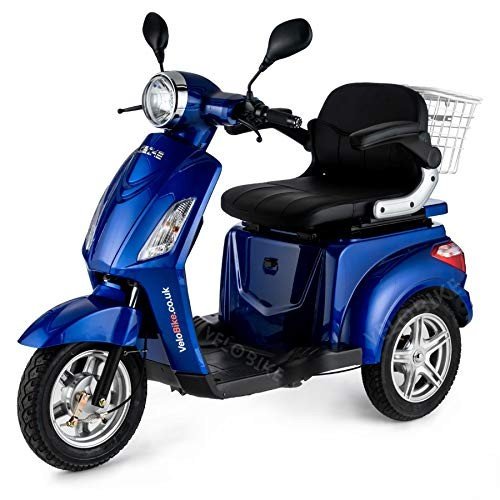
What is a Disability Scooter?
A disability scooter is a battery-powered car developed to assist those with mobility problems. They are equipped with comfy seating, handlebars, and controls, making them suitable for both indoor and outside use. Mobility scooters been available in various sizes and styles, accommodating various needs and preferences.
Key Features of Disability Scooters
| Feature | Description |
|---|---|
| Size and Weight Capacity | Mobility scooters come in various sizes, normally accommodating users from 250 lbs (113 kg) to over 400 pounds (181 kg). |
| Speed | Most scooters can reach speeds of 4 to 8 mph (6.4 to 12.9 km/h), depending on the model. |
| Range | The range a scooter can travel on a full charge typically ranges from 10 to 30 miles (16 to 48 km). |
| Turning Radius | Scooters differ in turning radius, with compact designs having a tighter turning radius, making them ideal for indoor use. |
| Battery Type | Usually geared up with lead-acid or lithium-ion batteries, affecting weight, charging time, and longevity. |
| Tires | Depending on the design, scooters may feature solid or pneumatic tires for different surfaces. |
Kinds Of Disability Scooters
Mobility scooters can be classified into several types based upon their intended usage:
Three-Wheel Scooters:
- Ideal shop online for motorized mobility scooters indoor use and tight spaces due to a smaller turning radius.
- Simpler to navigate but less stable than four-wheel designs.
Four-Wheel Scooters:
- Provide better stability and assistance for outside usage.
- Ideal for rough surfaces and longer distances.
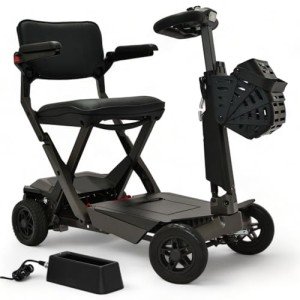
Portable or Folding Scooters:
- Lightweight and created to be disassembled for easy transport.
- Ideal for users who regularly travel or have restricted storage area.
Sturdy Scooters:
- Built to support higher weight capabilities and rugged surfaces.
- Engineered for users needing robust efficiency and resilience.
Benefits of Using Disability Scooters
The benefits of using a mobility scooter are numerous, and they contribute significantly to enhancing the quality of life for users. Here are some of the primary advantages:
- Increased Independence: Mobility scooters empower users to travel freely without assistance, promoting independence.
- Improved Comfort: Modern scooters come geared up with adjustable seats, armrests, and suspension systems for a comfortable trip.
- Access to Various Environments: Users can browse around homes, going shopping malls, parks, and other public areas with ease.
- Security Features: Many scooters are created with safety features such as anti-tip systems, headlights, and reflective products for much better exposure.
- Economical: Compared to powered wheelchairs, mobility scooters are typically more inexpensive and simpler to keep.
Essential Considerations When Choosing a Disability Scooter
Choosing the ideal mobility scooter dealers near me scooter includes numerous essential considerations to ensure it meets the user’s needs:
User Weight Capacity: Verify the weight limitation of the scooter and pick one that accommodates the user comfortably.
Surface Types: Consider the terrain where the scooter will mainly be utilized (e.g., indoor, pavement, rough surface) and select a design fit for that environment.
buy mobility scooter Needs: If the scooter will be transferred regularly, a lightweight or foldable model may be necessary.
Convenience and Size: Ensure that the seat is comfortable and the scooter is the best size for the user’s body.
Battery Life: Assess the battery capacity and range to ensure it meets the user’s needs for everyday activities.
Security Features: Look for robust safety functions, especially if the user will navigate hectic or crowded locations.

FAQs About Disability Scooters
1. Are mobility scooters covered by insurance?Many health insurance prepares cover mobility scooters under specific conditions. It’s necessary to inspect with the specific insurance coverage service provider and acquire a prescription from a health care professional. 2. How fast can a disability scooter go?Most mobility scooters can reach speeds varying from 4 to 8 miles per hour( 6.4 to 12.9 km/h). Users
need to validate the speed limit according to their requirements. 3. Can I drive a mobility scooter on the road?Regulations regarding using mobility scooters on public roads differ by area.
Users require to verify local laws and regulations. 4. How far can I take a trip on a full charge?Range can differ based on the model and terrain type but usually ranges between 10 to 30 miles(16 to 48 km)on a complete charge. 5. What maintenance does a mobility scooter require?Basic upkeep consists of routine battery checks, tire pressure tracking, and making sure that electrical connections are protected. Disability scooters represent
a substantial development in mobility technology, offering users boosted flexibility and independence. By understanding the different types, features, and considerations when buying a scooter, users can
make informed decisions that finest suit their needs. As mobility technology continues to develop, disability scooters will remain essential in fostering inclusivity and ease of access for all.