

Oven On Sales
Add a review FollowOverview
-
Founded Date July 8, 1904
-
Posted Jobs 0
-
Viewed 9
Company Description
10 Things We Hate About Oven And Hob

Understanding Ovens and Hobs: A Comprehensive Guide
When it concerns cooking devices, ovens and hobs are amongst the most essential tools found in contemporary kitchen areas. They play essential roles in meal preparation, transforming raw active ingredients into tasty meals. Comprehending the differences between various types of ovens and hobs and how to pick the ideal one can make a considerable distinction in cooking effectiveness and food quality.
This post checks out ovens and hobs in information, offering insights into their types, functions, benefits, and typical FAQs. Whether you are a skilled chef or an amateur cook, this details will assist you make notified decisions for your culinary requirements.
Kinds of Ovens
Ovens can be found in a number of types, each developed for specific cooking approaches and designs. Here is an in-depth appearance at the most typical types of ovens:
| Type of Oven | Description | Best For |
|---|---|---|
| Standard Oven | Makes use of heating aspects located at the top ovens and bottom for even cooking. | Baking, roasting, and general cooking |
| Stove | Features a fan that distributes hot air for fast and even cooking. | Baking pastries and cookies, roasting meats |
| Steam Oven | Utilizes steam to prepare food, maintaining wetness and nutrients. | Vegetables and fish |
| Microwave oven uk | Quickly cooks food utilizing microwave radiation. | Reheating and fast meals |
| Wall Oven | Built straight into the wall for space-saving cooking options. | Little kitchens and contemporary designs |
| Ability Level | Provides numerous cooking modes consisting of baking, broiling, and toasting. | Flexible cooking requires |
Kinds of Hobs
Hobs, likewise understood as cooktops, been available in various types based on their fuel source and style. Comprehending these options can help in discovering the right suitable for your kitchen setup:
| Type of Hob | Description | Best For |
|---|---|---|
| Gas Hob | Makes use of gas flames for cooking, offering instant heat control. | Traditional cooking methods |
| Electric Hob | Utilizes electric coils or induction components to heat pots and pans. | Even heat distribution |
| Induction Hob | Employs electro-magnetic energy to directly heat pots, offering quick and efficient cooking. | Energy-efficient cooking |
| Solid Plate Hob | A kind of electric hob with solid plates that takes time to warm up but keeps heat well. | Sluggish cooking |
| Ceramic hob and ovens | Functions a glass-ceramic surface area permitting simple cleaning, with electric heating components listed below. | Visual appeal |
Elements to Consider When Choosing an Oven and Hob
Choosing the right oven and hob combination needs careful factor to consider of a number of elements. Below is a list of important elements to remember:
Cooking Style
- Are you an everyday cook or an occasional baker?
- Do you choose steaming or frying?
Kitchen Size
- What area is readily available in your kitchen for the appliances?
- Will you need integrated or freestanding designs?
Fuel Source
- Do you have access to gas, or would you prefer electric?
- Are you interested in induction cooking technology?
Budget
- What is your budget plan for purchasing an oven and hob?
- Are you considering a high-end design or a more budget friendly choice?
Energy Efficiency
- Are you wanting to reduce your energy intake?
- Do you choose appliances that include high-efficiency ratings?
Advantages of Ovens and Hobs
Both ovens and hobs bring unique advantages to the kitchen. Here’s a summary of some benefits:
Ovens:
- Versatility: Able to deal with a vast array of cooking approaches from baking to roasting and broiling.
- Consistent Results: Even heat distribution offers reliable cooking results.
- Big Capacity: Ideal for big meals and batch cooking.
Hobs:
- Control: Gas hobs provide instant heat modifications, useful for exact cooking.
- Effectiveness: Induction hobs are known for their quicker heat-up times and energy performance.
- Independent Cooking: Multiple hobs permit for cooking several meals all at once.
Selecting the ideal ovens and hobs is essential for anybody wanting to improve their cooking skills and kitchen efficiency. By understanding the various kinds of each home appliance, along with their advantages and functions, consumers can make educated decisions that cater to their cooking habits and choices.
As kitchens progress, so do the innovations surrounding cooking appliances. Purchasing the right combination of an oven and hob can cause much better cooking experiences, higher food quality, and even pleasurable time spent in the kitchen.
Often Asked Questions (FAQs)
What is the difference in between convection and traditional ovens?
- A convection oven utilizes a fan to flow air for even cooking, while a standard oven relies just on leading and bottom heating aspects.
How do induction hobs work?
- Induction hobs utilize electromagnetic fields to straight heat up pots and pans made from magnetic materials, causing quicker cooking times and more energy performance.
Are gas hobs much safer than electric hobs?
- Safety depends upon usage and installation. Gas hobs require correct ventilation and can present a fire hazard, while electric hobs may pose dangers of burns due to their hot surfaces.
Can I bake in a steam oven?

- Yes, a steam oven can be utilized for baking, frequently resulting in moister and fluffier baked products, particularly breads and pastries.
What should I search for in a Built In Ovens Sale-in oven?
- Look for features like capacity, cooking modes, energy efficiency scores, and ease of cleaning.
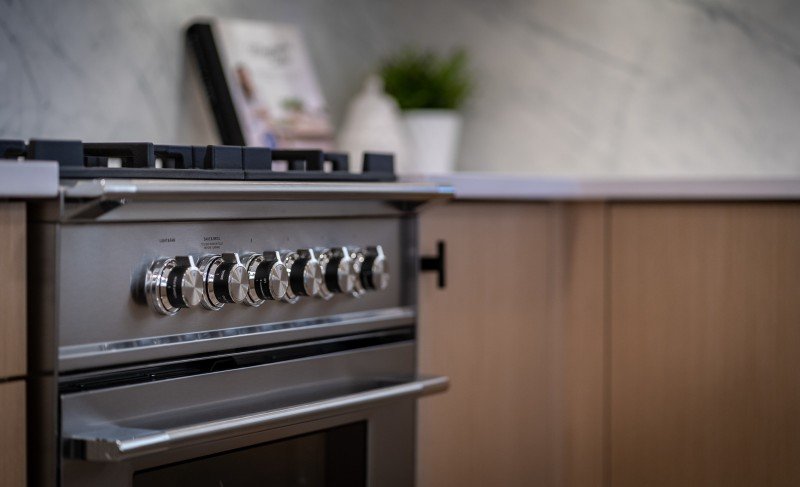
By thinking about the details and guides provided in this post, readers can easily navigate the world of ovens and hobs, ensuring that they select the best devices to match their culinary requirements.