

Small Cooker Hoods
Add a review FollowOverview
-
Founded Date August 27, 1919
-
Posted Jobs 0
-
Viewed 14
Company Description
Cooking Hood Tools To Streamline Your Daily Life Cooking Hood Technique Every Person Needs To Learn
Understanding Cooking Hoods: An Essential for every single Kitchen
In the modern kitchen, cooking hoods– likewise known as range hoods, Hob Extractor hoods, or ventilators– serve an important function that improves both cooking efficiency and home comfort. They are created to get rid of smoke, grease, wetness, and cooking odors from the air, adding to a clean and enjoyable cooking environment. This article will look into the various kinds of cooking hoods, their setup, benefits, maintenance, and respond to some regularly asked questions to assist you make informed decisions for your kitchen.
Table of Contents
- What is a Cooking Hood?
- Kinds Of Cooking Hoods
- 2.1 Under-Cabinet Hoods
- 2.2 Wall-Mounted Hoods
- 2.3 Island Hoods
- 2.4 Downdraft Hoods
- Secret Benefits of Cooking Hoods
- Setup Considerations
- Caring for Your Cooking Hood
- Frequently Asked Questions (FAQ)
1. What is a Cooking Hood?
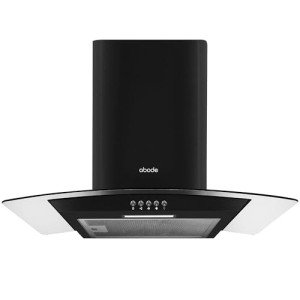
A cooking hood is a device that is set up above cooking devices to aerate the kitchen. It works by utilizing Cooker Fans to pull in air which contains smoke, steam, grease, and smells, filtering the air before either recirculating it back into the kitchen or venting it outside.
Table 1: Components of a Cooking Hood
| Element | Description |
|---|---|
| Fan | Relocations air efficiently through the hood. |
| Filters | Traps grease and dirt; might be long-term or non reusable. |
| Light | Lights up the cooking area for better presence while cooking. |
| Ductwork | Routes air to the exterior or back into the kitchen. |
2. Types of Cooking Hoods
There are numerous categories of cooking hoods, each created for various kitchen layouts and cooking styles.
2.1 Under-Cabinet Hoods
Under-cabinet hoods are installed beneath wall cabinets and are perfect for space-saving in smaller sized kitchens.
2.2 Wall-Mounted Hoods
These hoods are set up straight onto the wall above the cooking surface area. They can be both elegant and functional, often making a declaration in kitchen design.
2.3 Island Hoods
Designed for kitchens with a freestanding island, these hoods hang from the ceiling and usually need ducting. They are typically bigger and can be a focal point in an open-concept kitchen.
2.4 Downdraft Hoods
Downdraft hoods withdraw into the counter and are perfect for kitchen islands or when ceiling height is limited. They pull air down instead of up and typically are incorporated with cooktops.
3. Key Benefits of Cooking Hoods
Cooking hoods are not just accessories however essential components that provide numerous advantages:
Improved Air Quality: Cooking hoods effectively get rid of smoke and smells, improving indoor air quality.
Decrease of Grease Buildup: Filters capture grease particles, preventing them from deciding on kitchen surfaces and devices.
Increased Kitchen Comfort: Maintaining a cooler kitchen environment by getting rid of heat and wetness generated during cooking helps keep the area comfortable for both cooking and event.
Enhanced Lighting: Many hoods included built-in lighting, supplying better exposure for cooking tasks.
Increased Home Value: Well-installed and correctly functioning cooking hoods can increase property worth, making homes more enticing to prospective buyers.
4. Setup Considerations
When it pertains to installing a cooking hood, a number of aspects need to be considered:
Ducted vs. Ductless: Determine whether you want to vent air outside (ducted) or filter it and recirculate it back into the kitchen (ductless). Ducted systems tend to be more reliable.
Size and Height: The cooking hood need to extend a couple of inches beyond the cooking surface area and be set up at the right height for optimum performance.
Ventilation Capacity: Evaluate the hood’s air suction capacity, frequently measured in CFM (cubic feet per minute), based on the size of your cooking range and the type of cooking you carry out.
Table 2: Ventilation Capacity Recommendations
| Cooking Surface Size | Suggested CFM |
|---|---|
| 30 inches | 300 – 400 CFM |
| 36 inches | 400 – 600 CFM |
| 48 inches | 600 – 900 CFM |
5. Taking care of Your Cooking Hood
Routine maintenance is vital for guaranteeing your cooking hood carries out successfully:
Clean Filters Regularly: Depending on the kind of filter, either clean or change them every one to 3 months.
Wipe Down Cooker Hood Extractor Fans Surface: Use a soft cloth and suitable cleaner to clean the outside of the hood to eliminate grease and residue.
Look for Blockages: Periodically check the ductwork and vents for grease buildup and blockages that may prevent air flow.
6. Often Asked Questions (FAQ)
Q1: How do I know what size cooking hood I require?A1: Measure the width of your cooking surface area. Preferably, your hood should be a few inches broader than the range to catch smoke and steam effectively.
Q2: How often should I clean my cooking hood?A2: Filters need to be checked and cleaned or replaced every one to 3 months, while the exterior needs to be cleaned up as needed.
Q3: Are ductless hoods reliable?A3: Ductless hoods can offer purification and recirculation, however they might be less effective than ducted systems in getting rid of smoke and odors from your kitchen.
Q4: Can I set up a cooking hood myself?A4: While standard setup may be possible for some with DIY abilities, it is usually recommended to employ a professional, especially for ducted systems.
Q5: Do cooking hoods produce noise?A5: Yes, hoods produce noise levels that differ by design and fan settings. Higher CFM hoods may produce more sound, but numerous manufacturers design hoods with sound reduction in mind.
In conclusion, cooking hoods are important elements that improve the kitchen experience. By understanding the types available, their benefits, setup considerations, and maintenance requirements, homeowners can make educated decisions that contribute to an effective and pleasant cooking environment. Whether refurbishing or developing a new kitchen, investing in a quality cooking Cooker Hood Extractor Fan is an action towards attaining both performance and visual appeal.